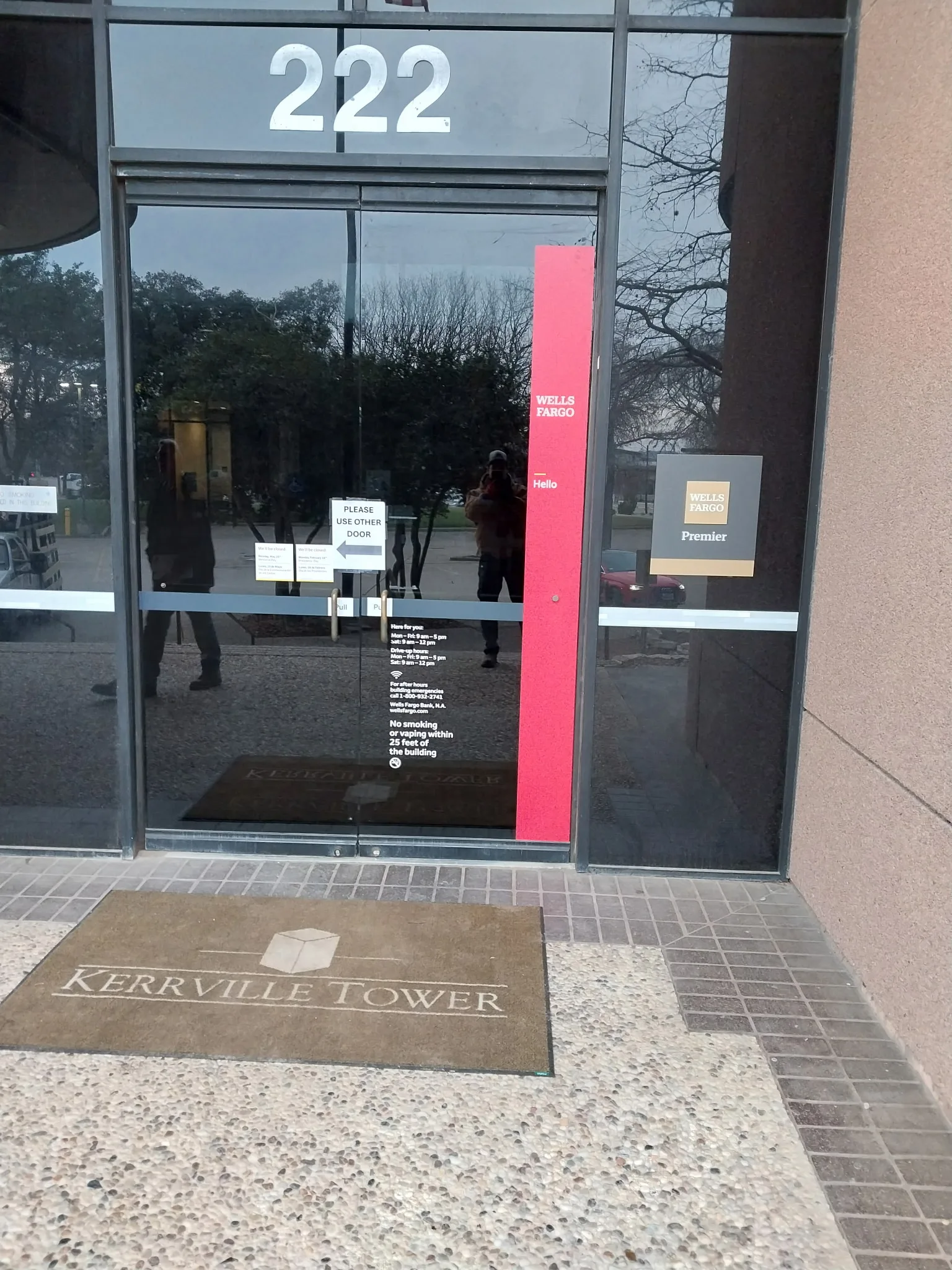
Commercial Storefront Glass: What Texas Hill Country Business Owners Need to Know
Written by Maria Joaquina
Content Writer for Aloha Glass & Mirror
Reviewed by Austin
Owner & Lead Installer, Aloha Glass & Mirror
Quick answer
Commercial storefront glass in Kerrville and Fredericksburg, TX must be code-compliant tempered or laminated safety glass, meet Texas IECC energy ratings for Climate Zone 2, and satisfy ADA entrance rules. Aloha Glass & Mirror installs, repairs, and provides 24/7 emergency board-up for storefronts across the Hill Country.
Commercial storefront glass serves a very different purpose than residential glass. It must meet specific Texas building codes, withstand daily public use, protect your inventory, and project a professional image for your business. Whether you run a retail shop on Sidney Baker Street in Kerrville or a restaurant on Main Street in Fredericksburg, here is what Hill Country business owners should know before investing in new commercial glass.
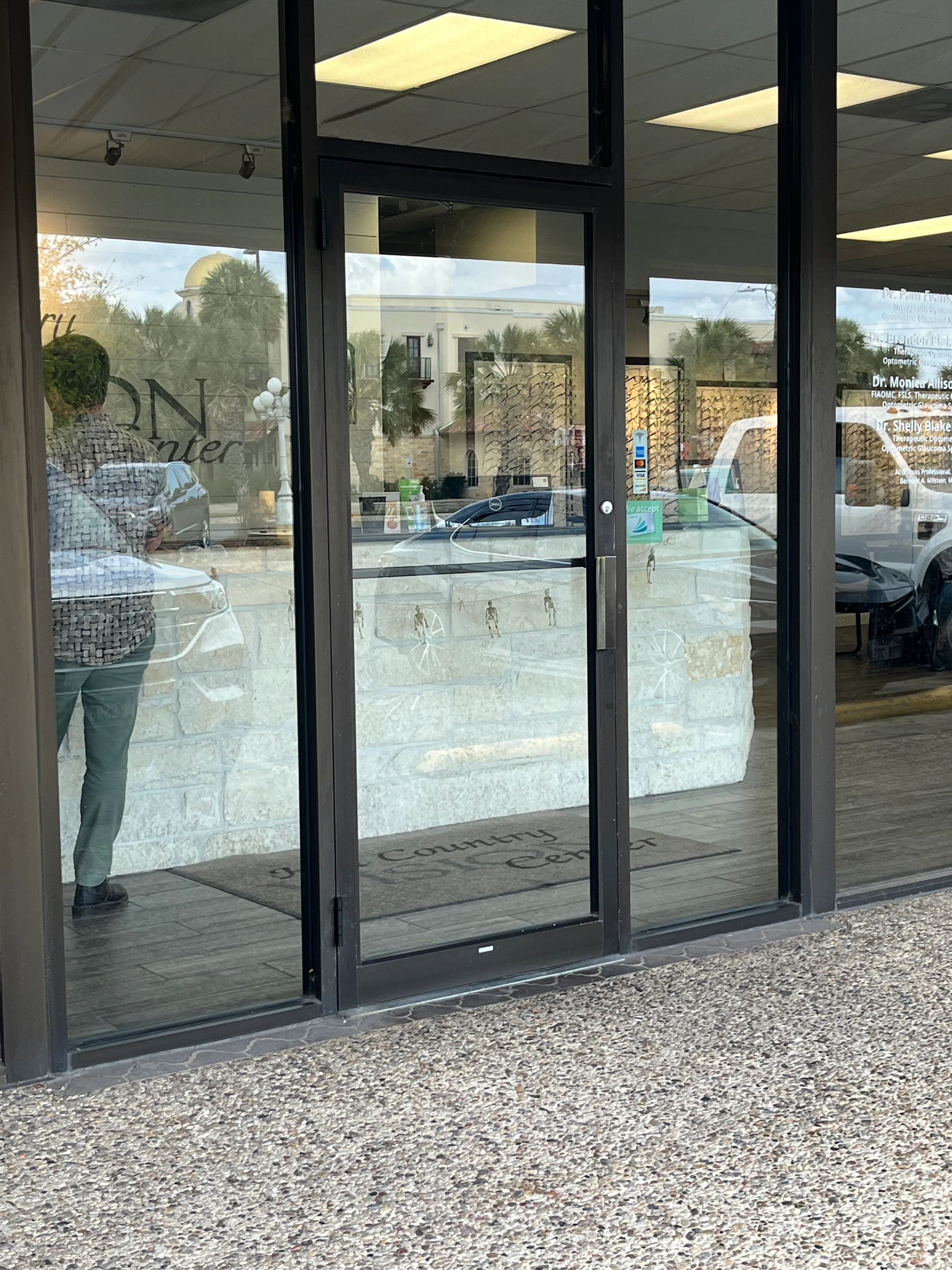
Building Codes and Safety Requirements in Texas
Commercial glass must comply with local building codes and the International Building Code (IBC), which Texas adopts as part of its statewide construction standards. The IBC requires tempered or laminated safety glass in specific locations including entrance doors, sidelights, glass panels within 18 inches of the floor, and any glazing within 24 inches of a door opening.
The Texas Department of Licensing and Regulation (TDLR) enforces additional requirements for accessibility and safety glazing. Every commercial glass installation in Kerrville, Boerne, Fredericksburg, and throughout the Hill Country must pass inspection under these standards.
All commercial glass in locations where human impact is likely must be safety glazed. Tempered glass is heat-treated to be four to five times stronger than standard annealed glass — when it breaks, it shatters into small, relatively harmless pieces rather than dangerous shards. Laminated glass contains a polyvinyl butyral (PVB) interlayer that holds the glass together when broken, providing both safety and security benefits. Many commercial applications in high-traffic Hill Country locations use a combination of both.
Energy Code Compliance for Texas Commercial Buildings
Texas commercial buildings must meet the International Energy Conservation Code (IECC), which directly affects glass selection. Storefronts and windows must meet specific U-factor and Solar Heat Gain Coefficient (SHGC) requirements. In climate zone 2, which covers Kerrville, Ingram, Comfort, Harper, and most of the Texas Hill Country, commercial glazing must balance energy efficiency with daylighting needs.
For storefronts in climate zone 2, the IECC typically requires a maximum U-factor of 0.57 and a maximum SHGC of 0.25 for non-residential buildings. These numbers mean your glass must limit both heat transfer and solar heat gain — critical in the Hill Country where summer temperatures regularly exceed 100 degrees.
Low-E coated insulated glass units (IGUs) are the standard solution for meeting these energy codes while maintaining the visibility and natural light that storefronts require. A qualified commercial glass installer should be familiar with the specific requirements for your building type, location, and occupancy classification.
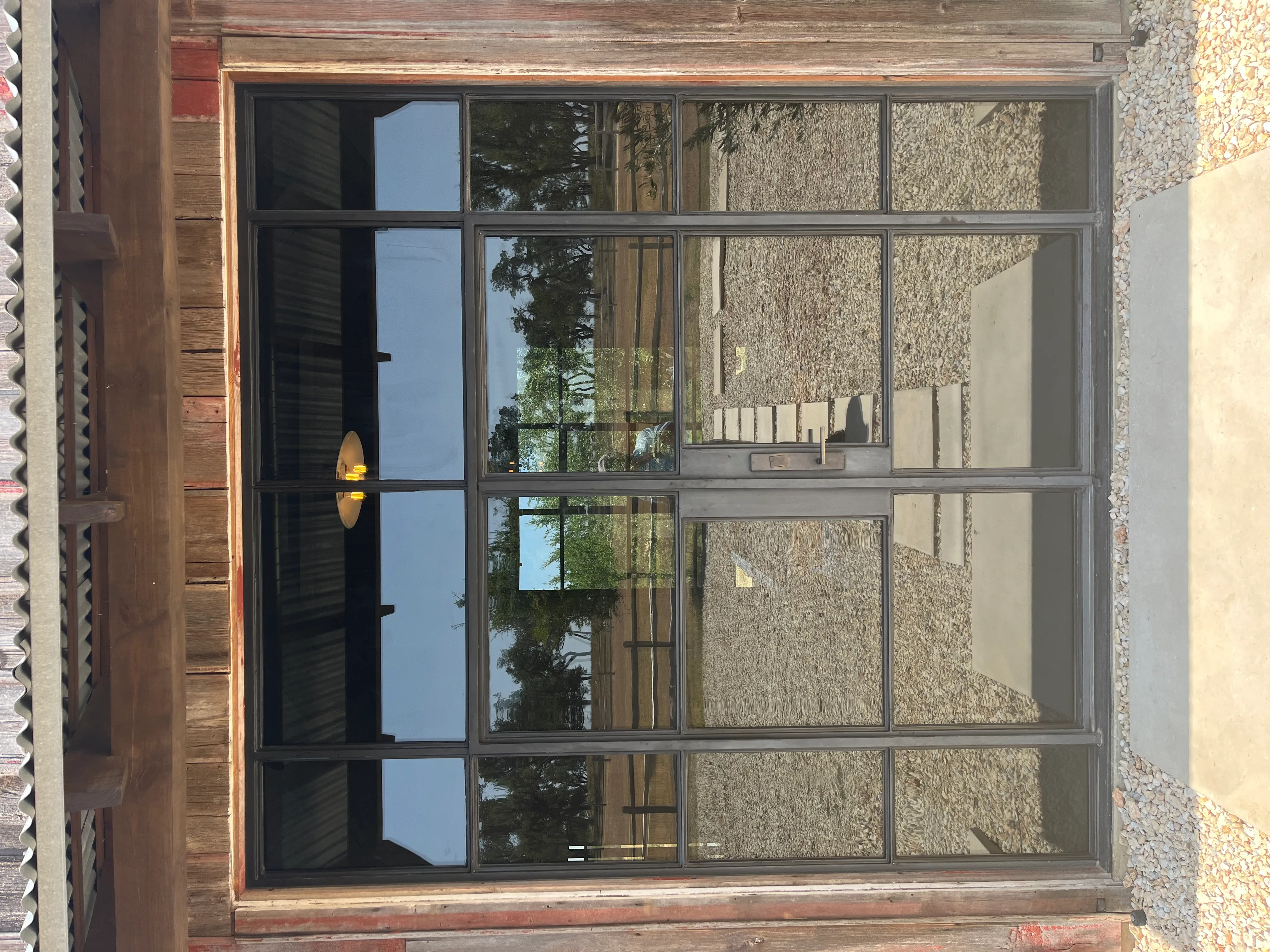
Security Glass for Retail and Commercial Properties
For retail businesses along Highway 27, Main Street in Kerrville, or anywhere in the Hill Country, security glass is an important consideration. Standard tempered glass, while strong, shatters completely when broken through — meaning a determined intruder can gain access quickly. Laminated glass with a PVB or SGP (SentryGlas Plus) interlayer is significantly more difficult to break through, providing additional protection against break-ins and smash-and-grab theft.
Security film can also be applied to existing commercial glass to improve resistance to forced entry. This clear polyester film bonds to the glass surface and holds fragments together upon impact, creating a barrier that takes significantly more time and effort to penetrate. For Hill Country businesses, this is often the most cost-effective security upgrade.
Impact-resistant glass may be required or recommended depending on your location and insurance requirements. Some insurance providers offer reduced premiums for businesses that install security-rated glazing — it is worth checking with your carrier before selecting glass products.
Types of Commercial Glass Systems
Commercial storefront systems come in several configurations, each suited to different building types and business needs in the Texas Hill Country.
Standard storefront framing uses extruded aluminum frames with glass panels and is the most common commercial glazing system. You see this on most retail shops, offices, and restaurants throughout Kerrville, Boerne, and Fredericksburg. The aluminum framing is available in various finishes including clear anodized, dark bronze, and custom powder-coated colors to match your branding.
Curtain wall systems are engineered for larger commercial buildings where the glass facade spans multiple floors. These systems are designed to resist wind loads and thermal movement while providing a seamless glass exterior.
All-glass entrance systems use frameless tempered glass for a modern, upscale appearance. These are popular for boutiques, salons, and professional offices looking to maximize visibility and create an inviting entrance.
Divided lite systems use metal or simulated divided lite grids to create a traditional multi-pane appearance. This style is common in the Hill Country where businesses want to match the historical aesthetic of downtown districts in Kerrville, Fredericksburg, and Comfort.
Each system has different structural requirements, cost implications, and aesthetic characteristics. The right choice depends on your building type, local building codes, budget, and the image you want to project.
ADA Compliance and Accessibility
Americans with Disabilities Act (ADA) compliance is a legal requirement for all commercial properties. For glass installations, this means entrance doors must provide a minimum 32-inch clear opening width, door closers must allow the door to be opened with no more than 5 pounds of force, and hardware must be operable with one hand without tight grasping or twisting.
Glass doors and full-height glass panels must have visible markings — typically a continuous horizontal strip or decorative elements — between 30 and 36 inches from the floor to prevent people from walking into them. This is especially important for all-glass entrance systems and interior glass partitions.
Your commercial glass installer in the Hill Country should be thoroughly familiar with ADA requirements and factor them into every storefront project.
Maintenance and Longevity in the Hill Country Climate
Commercial glass in Kerrville and the surrounding Hill Country faces specific environmental challenges. Limestone dust, cedar pollen, hard water mineral deposits from irrigation systems, and intense UV exposure all take a toll on glass and framing components.
Establishing a regular maintenance schedule is essential for protecting your investment. Commercial glass should be professionally cleaned at least quarterly, with seals, gaskets, and weatherstripping inspected annually. Aluminum frames should be checked for oxidation and finish degradation, especially on south-facing and west-facing exposures where UV and heat exposure is highest.
Silicone sealants used in commercial glazing have a typical lifespan of 10 to 20 years before they begin to shrink, crack, or lose adhesion. When sealant failure occurs, moisture intrusion can damage interior finishes and compromise the insulating performance of IGUs. Regular inspection by a qualified glass professional catches these issues early, before they lead to costly water damage or energy loss.
When to Replace Commercial Glass
Several signs indicate your commercial storefront glass needs professional attention. Visible cracks or chips compromise both safety and your business image. Foggy or hazy glass between panes means the insulated glass unit seal has failed and the unit needs replacement. Difficulty opening or closing doors may indicate frame misalignment or hardware failure. Drafts around glass panels suggest weatherstripping or sealant deterioration.
If your Kerrville or Hill Country business is experiencing any of these issues, a professional assessment can determine whether repair, reseal, or full glass replacement is the most cost-effective solution. Aloha Glass and Mirror provides free on-site consultations for commercial properties throughout the Texas Hill Country, from Boerne to Junction and everywhere in between.
Learn more about Commercial Storefront Glass – Kerrville or Storefront Glass – Fredericksburg or commercial glass services or schedule a consultation.
Frequently Asked Questions
What type of glass is required for commercial storefronts in Texas?
Texas building codes require safety glazing (tempered or laminated glass) in commercial storefronts, especially in doors, sidelights, and glass within 18 inches of the floor. The specific requirements follow the International Building Code (IBC) and Texas Department of Licensing and Regulation (TDLR) standards.
How often should commercial glass be inspected?
Commercial glass should be inspected at least annually for seal integrity, frame condition, and safety compliance. High-traffic locations in Kerrville and the Hill Country may benefit from semi-annual inspections, especially after severe weather events.
Does commercial glass need to meet energy codes in Texas?
Yes. Texas commercial buildings must meet the International Energy Conservation Code (IECC), which includes specific U-factor and Solar Heat Gain Coefficient (SHGC) requirements for glazing. In climate zone 2, which covers most of the Hill Country, storefronts typically require a maximum U-factor of 0.57 and SHGC of 0.25.
What is the difference between tempered and laminated commercial glass?
Tempered glass is four to five times stronger than standard glass and shatters into small, relatively safe pieces. Laminated glass contains an interlayer that holds the glass together when broken, providing both safety and security. Many commercial applications use a combination of both for maximum protection.
How much does commercial storefront glass replacement cost in the Hill Country?
Commercial glass replacement costs vary based on glass type, system configuration, size, and accessibility. Standard storefront panel replacement is generally less expensive than full system replacement. Contact Aloha Glass and Mirror at (830) 285-9852 for a free on-site estimate for your Kerrville or Hill Country business.
Can security film be added to existing storefront glass?
Yes. Security film is a clear polyester film that bonds to existing glass and holds fragments together upon impact, making forced entry significantly more difficult. It is often the most cost-effective security upgrade for Hill Country businesses and can be installed without replacing the existing glass.
What ADA requirements apply to commercial glass doors?
ADA requires a minimum 32-inch clear opening width, door closers that allow opening with no more than 5 pounds of force, and hardware operable with one hand. Glass doors must also have visible markings between 30 and 36 inches from the floor to prevent collisions.
How long does commercial storefront glass last?
Quality commercial glass systems last 20 to 30 years or more with proper maintenance. Insulated glass unit seals typically last 10 to 20 years. Silicone sealants have a similar lifespan. Regular inspection and maintenance extend the life of all components.
Does Aloha Glass and Mirror install commercial storefront glass in Kerrville?
Yes. Aloha Glass and Mirror provides commercial glass installation, replacement, and repair for businesses throughout Kerrville, Boerne, Fredericksburg, Ingram, Comfort, and the entire Texas Hill Country. Call (830) 285-9852 for a free commercial glass consultation.
Written by Maria Joaquina
Content Writer for Aloha Glass & Mirror
Maria Joaquina writes about glass and mirror installation for Aloha Glass & Mirror. Every article is developed from expert input and reviewed for technical accuracy by Austin, the company's owner and lead installer.
Reviewed by Austin
Owner & Lead Installer, Aloha Glass & Mirror
Austin is the owner and lead installer at Aloha Glass & Mirror, with years of hands-on experience in precision glass fabrication, window installation, custom mirrors, and shower enclosures across the Texas Hill Country. He reviews every article for technical accuracy before it is published.